


Why Cash Still Matters: What a New Fed Study Found
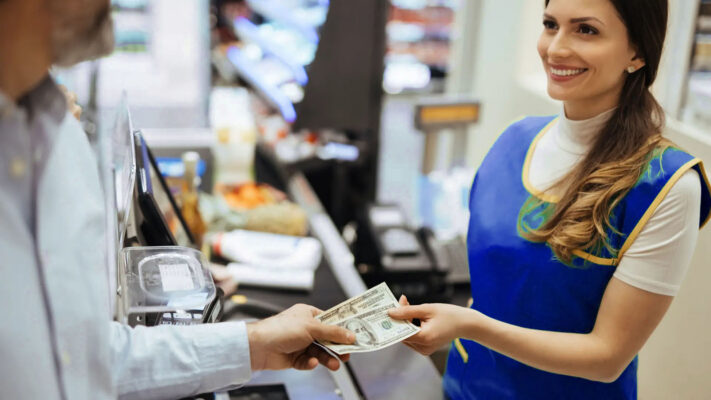 It is easy to look around and assume cash is quietly fading into the background. Tap-to-pay is everywhere. Online checkout takes seconds. Friends split brunch with a quick Venmo request before the coffee even cools. But a new study from the Federal Reserve tells a more realistic story: cash is not disappearing. It is still a practical, everyday part of how many Americans manage their money.
The 2026 Diary of Consumer Payment Choice, published by Federal Reserve Financial Services on August 4, 2026, looks at how people actually pay, not just what they say they prefer. That is an important difference, because our habits do not always match our assumptions.
The Numbers Behind the Habit
In 2025, the average consumer made 47 payments a month using a mix of credit cards, debit cards, digital wallets, checks, and cash. Six of those payments were made with cash, which adds up to about 14 percent of all transactions. That may not sound huge at first, but in a world full of digital options, it is still a meaningful slice of everyday spending.
What is even more telling is how many people are still using cash at all. Eighty percent of consumers said they used cash within the past month, and 90 percent said they plan to keep using it. When people were asked to name their preferred payment method, cash still ranked third overall, behind debit and credit cards.
Why People Still Carry Cash
People are not just spending cash. They are keeping it close. Seventy-six percent of respondents said they carry cash day to day, with an average of $69 on hand. And beyond what is in their wallet, 45 percent keep extra cash set aside for savings or emergencies. That rainy day cash reserve grew to an average of $364 in 2025, up from $306 the year before.
That may be the real reason cash has stuck around. It is useful in more than one way. It can pay for small everyday purchases, serve as a backup when digital options are down or unavailable, and give people a simple financial cushion they can physically hold onto.
Who Relies on Cash the Most
Cash use also looks different depending on who you ask. Age is the biggest divider. Consumers 55 and older made an average of 10 cash payments a month, while consumers ages 18 to 24 made just two. That makes sense. Younger consumers have grown up with digital wallets and card payments as the default, while older consumers are more likely to keep cash as part of their normal routine.
Where people live matters too. Rural residents averaged nine cash payments a month, compared with six for people in urban and suburban areas. That may reflect how local businesses operate, how widely cards are accepted, and how easy it is to access banking services.
Income plays a role as well. Households earning under $25,000 a year made an average of seven cash payments a month, while households earning $150,000 or more made five. For some people, cash is a helpful budgeting tool because it makes spending feel more visible. For others, it may simply be the payment method that best fits their day-to-day reality.
A Ten-Year Trend, Not a Sudden Shift
Looking back over the past decade, the shift in payment preferences has been gradual, not dramatic. Credit cards have gained ground, reaching 38 percent preference in 2025, while debit cards remain the top choice at 40 percent. Cash preference has declined over time, but lately it has leveled off at 16 percent. In other words, we are not watching a straight march toward a cashless future. We are seeing payments settle into a mix that includes digital options, cards, and yes, still cash.
The Takeaway
The takeaway is not that cash is making some big comeback. It is also not that cash is on the way out. The real story is more practical: cash has found a steady role alongside cards and digital wallets. People use it when it makes sense, especially for smaller purchases, backup situations, and moments when having money in hand just feels more certain than seeing a number on a screen.
For banks, retailers, and anyone working in payments, that matters. ATMs, cash services, registers, and the infrastructure that keeps physical currency available are not just old systems hanging around. They are still serving real customer needs. And for many Americans, especially older adults, rural residents, and lower-income households, cash remains part of how they stay prepared, make choices, and manage everyday money.
Source: Federal Reserve Financial Services, Fed360, “2026 Diary of Consumer Payment Choice: Cash Remains Essential for U.S. Consumers,” August 4, 2026.